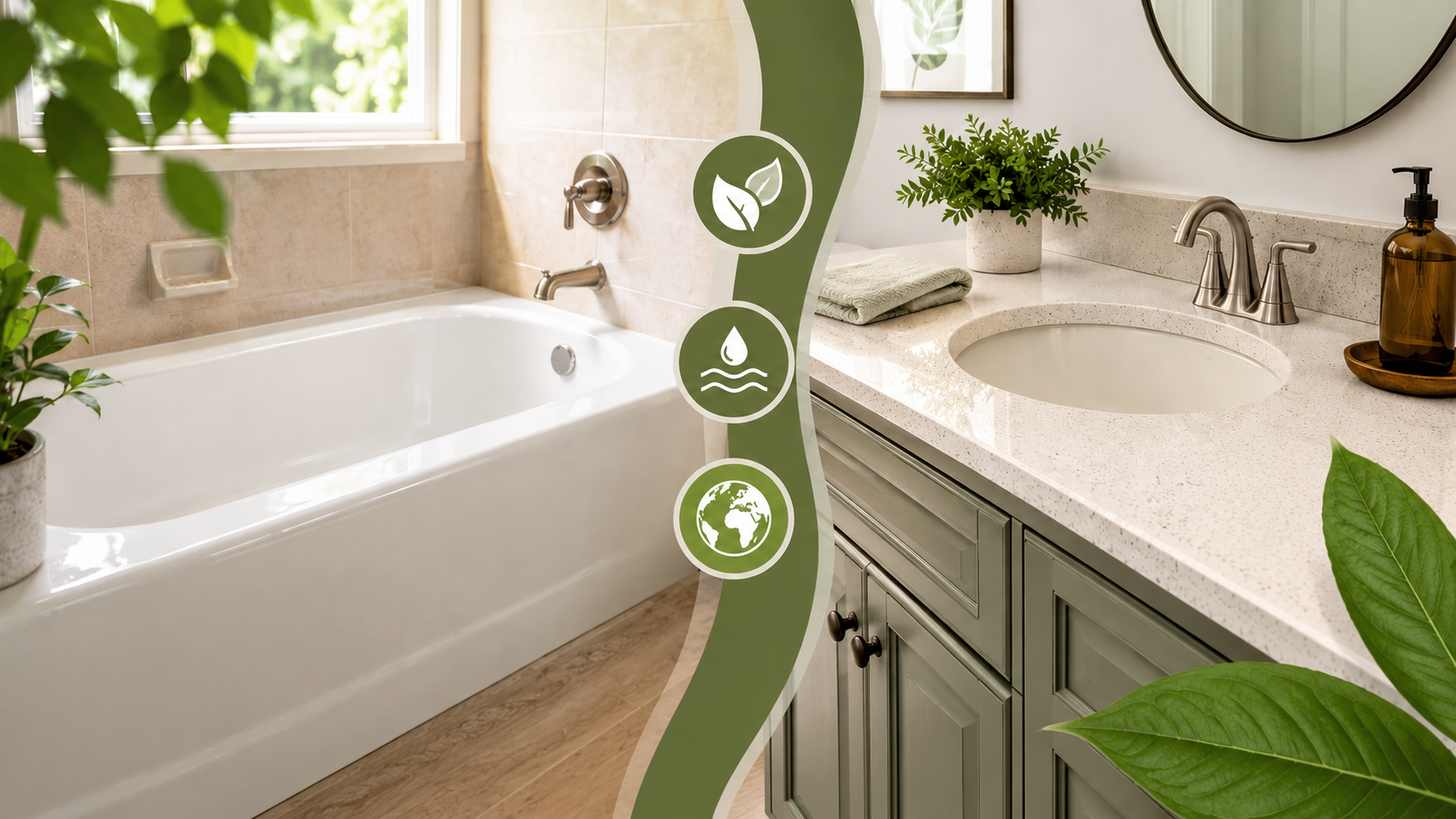
Home improvement projects often involve balancing modern design choices with environmental considerations. Major kitchen or bathroom renovations can create a significant environmental impact. Removing old fixtures often generates large amounts of construction debris that must be disposed of. Many homeowners assume that replacing fixtures is the only way to update a dated space.
However, professional green resurfacing in North Carolina offers a more sustainable alternative. This process applies polymer coatings over existing surfaces without requiring full demolition. This process helps extend the usable life of existing fixtures by several years with proper care. Most projects can typically be completed within a single working day.
From Raleigh to expanding coastal communities, modern properties require intelligent alternatives to traditional demolition chaos. We focus completely on delivering beautiful, high-quality results while actively protecting local environmental resources. If you want a stunning home transformation that minimises your carbon footprint, our services deliver. Request a quick quote today to upgrade your space responsibly.
Why Green Resurfacing in NC Lowers Your Carbon Footprint
A key environmental benefit of surface restoration is reducing the need for repeated manufacturing. Producing new bathtubs or stone countertops requires significant manufacturing energy and raw materials. Transporting these materials over long distances also contributes to fuel consumption and emissions.
Choosing to renew your surfaces eliminates the need for high-heat factory baking processes required for new ceramic products. It also significantly reduces the fuel consumption and emissions associated with long-distance commercial shipping loops. Furthermore, keeping your original structures intact prevents the stripping of natural landscapes for new aggregate stone or timber substrates. This path encourages the utilisation of durable, modern compounds that bond tightly to stable structures. Utilising advanced green resurfacing in NC principles allows you to achieve a designer look while conserving vital global resources.
Environmental Waste Comparison: Restoring vs Tearing Out
Traditional remodelling generates a large amount of physical waste that must be managed by local disposal systems. When workers demolish a kitchen, old countertops and fixtures are typically removed and sent for disposal. These heavy, solid materials do not break down naturally, occupying precious space for centuries.
But our surface renewal process avoids that solid waste stream entirely by keeping structures intact. We work with the perfectly good foundational materials already bolted into your home framework. By applying a fresh, commercial-grade topcoat, we completely bypass the need for heavy dumpster rentals.
Refinishing helps reduce the amount of porcelain and fibreglass waste sent to landfills. This approach supports cleaner waste management and can also reduce renovation costs. Many property owners in Charlotte choose resurfacing as a more sustainable renovation option. It simplifies the entire project timeline.
Sustainable Kitchen and Bath Upgrades in Greensboro Homes
Maintaining an eco-friendly household requires using products that remain hygienic without needing aggressive chemicals. Old or worn washbasins often develop small surface imperfections that trap dirt and soap residue. Homeowners often use strong chemical cleaners that may have environmental drawbacks.
Our smooth polymer topcoat creates a completely non-porous barrier across the entire fixture, meaning the glossy glaze resists common staining and mildew growth naturally without heavy scrubbing. This allows for easier cleaning using mild soaps, reducing the need for harsh chemical products. We offer high-end sink refinishing for Greensboro properties used to restore stained, antique porcelain basins. Investing in these protective services helps you maintain a safer, chemical-free indoor cleaning routine.
The Operational Flow of a Zero-Waste Surface Renewal
We follow a structured process to help ensure a durable and even finish. Our technicians handle each step carefully so the finish actually lasts. The process begins with a structural evaluation of the baseline material to confirm it is fully sound. We then lift away deep grease, oils, and stubborn soap residues using targeted cleansers that prepare the area safely.
Next, our crew repairs any local imperfections by filling surface chips and deep scratches to establish a completely flat baseline. We mechanically etch the original glaze to give the upcoming layers an absolute, long-lasting grip. Once the prep work is secure, multiple thin layers of coating are applied to create a smooth and consistent finish. We wrap up with a thorough inspection of the cured glaze before handing the room back over to your family. This process delivers a smooth finish without the need for major demolition or construction debris.
 Can Damaged Household Fixtures Avoid the Landfill First?
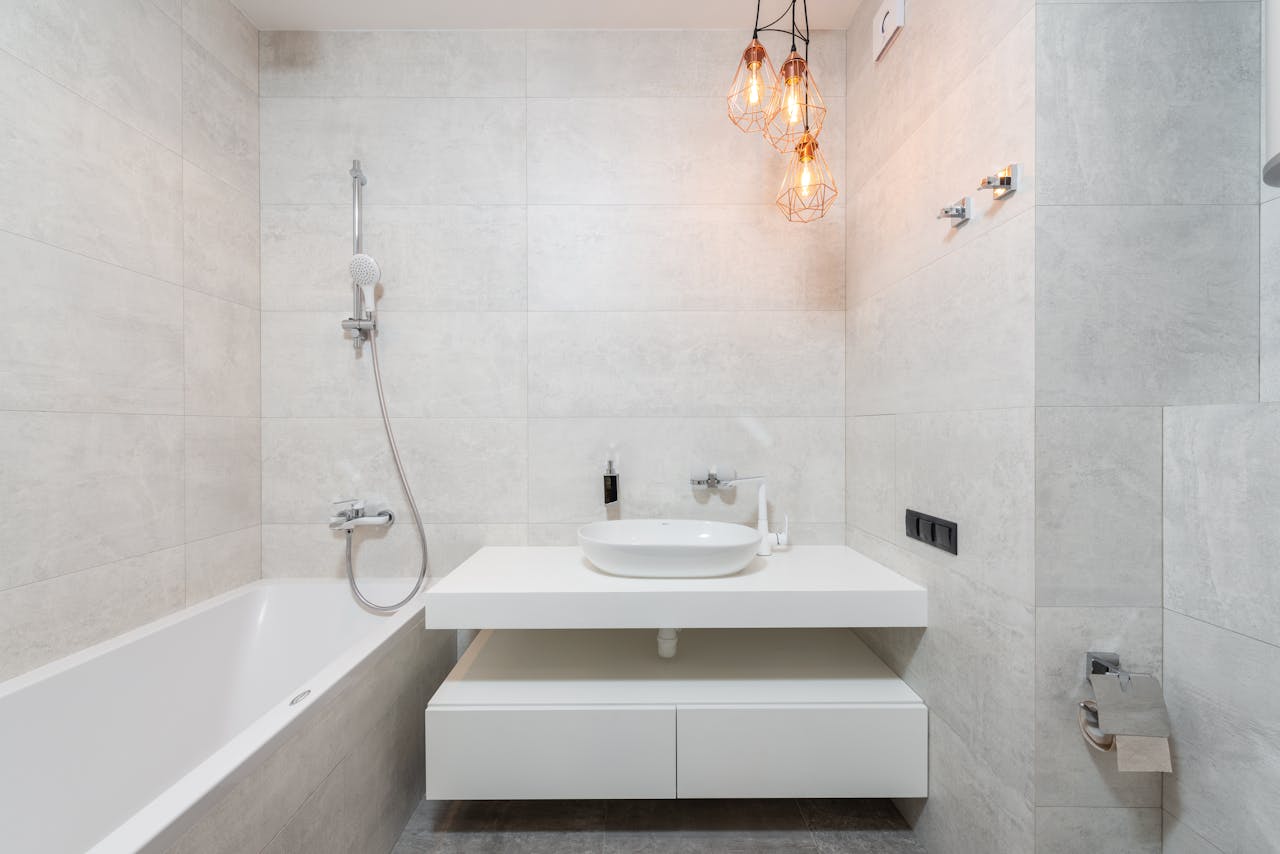
Yes, our advanced repair methods successfully rescue heavily damaged items before the final glazing begins. Discarding a bathtub due to surface rust or chips is often unnecessary when repair is possible. We regularly fix deep thermal cracks, impact damage, and severe mineral discolouration.
Once we reinforce the underlying material, the new polymer resin flows over the patches perfectly. This careful prep work ensures the outer glaze remains completely level and resists peeling over time. Repairing these issues can help extend the life of existing fixtures and reduce landfill waste. Repairs always happen first, giving your original assets a second life.
How Long Do Sustainable Polymer Coatings Last?
The ultimate eco-friendly metric of any home improvement product is how long it stays out of the trash. A professionally completed resurfacing project can last many years with proper maintenance. This long lifecycle keeps your home operating efficiently without needing frequent interventions.
We use advanced industrial polymers engineered specifically to handle hot water impact and shifting household temperatures. Our teams execute dependable countertop refinishing in North Carolina to rescue worn kitchen work areas completely. No matter the size of your property, keeping existing fixtures functional protects both nature and your wallet. Basic care, such as using mild cleaners and soft cloths, helps maintain the finish over time.
Protecting Local Ecosystems With Surface Restoration
Our local company delivers trusted bathroom and kitchen restoration across Raleigh, Durham, and Charlotte. We approach every single neighbourhood improvement project with great personal pride and absolute respect for your home. We focus on providing clean, beautiful results that make your daily cleaning routines straightforward.
Restoring existing fixtures helps reduce waste and limits the need for full replacement. Our refinishing services support that framework perfectly by preventing unnecessary appliance disposal across the region. We aim to keep existing fixtures functional and extend their usable life. If you’re considering a sustainable upgrade, we can help assess your space and available options.
Frequently Asked Questions
1. Why is resurfacing considered better for the environment than buying a new bathtub?
New fixture manufacturing requires massive factory energy, raw materials, and international shipping fuel. Resurfacing keeps your existing tub right in place, eliminating the carbon emissions of new production.
2. Does the green resurfacing in the NC process generate a large volume of dust?
No, unlike traditional tile demolition, which creates clouds of rough drywall dust, our process involves zero tearing. We keep your indoor air clean by masking the workspace and using powerful exhaust fans.
3. Are the cured polymer resins safe for my family and local water systems?
Yes, once our advanced coating finishes its 24-hour curing window, the material becomes completely inert. It will not leach any chemicals into your bathwater or down the local drains.
4. Can recycling centres accept old laminate countertops or fibreglass bathtubs?
No, the vast majority of local recycling programs cannot process mixed building materials or heavy fibreglass. Refinishing is the only reliable way to stop these solid items from sitting in landfills.
5. How much money does choosing eco-friendly resurfacing save compared to replacement?
Traditional replacement requires hiring plumbers, tile installers, and debris hauliers, which costs thousands of dollars. Resurfacing cuts those construction costs down significantly, saving you a massive percentage.
6. Do I need to buy special green cleaners to wash my refinished countertop?
No, you do not need expensive speciality products. Simple dish soap and warm water work perfectly to keep the smooth, non-porous surface clean and bright.
